

Retarders play a crucial role in cementing additives, especially in the oil and gas well cementing industry. As a leading cementing additives supplier, we understand the significance of retarders in ensuring the success of cementing operations. In this blog, we will explore the functions of retarders in cementing additives and how they contribute to the overall quality and performance of cement slurries.
Understanding Cementing Additives
Cementing additives are substances added to cement slurries to modify their properties and improve their performance. These additives are used in a variety of applications, including oil and gas well cementing, construction, and mining. The main purpose of using cementing additives is to enhance the workability, strength, durability, and other properties of cement slurries to meet the specific requirements of different projects.
There are several types of cementing additives, including accelerators, retarders, fluid loss additives, dispersants, anti - channeling agents, and suspension stabilizers. Each type of additive has its own unique function and is used to address specific challenges in cementing operations.
What are Retarders?
Retarders are cementing additives that slow down the setting time of cement slurries. They work by interfering with the hydration process of cement, which is the chemical reaction between cement and water that causes the cement to harden. By delaying the hydration process, retarders give the cement slurry more time to be pumped into the wellbore or other application areas before it sets.
Functions of Retarders in Cementing Additives
1. Extended Pumping Time
One of the primary functions of retarders is to extend the pumping time of cement slurries. In oil and gas well cementing, cement slurries need to be pumped down the wellbore and into the annulus between the casing and the formation. This process can take several hours, especially in deep or complex wells. If the cement slurry sets too quickly, it can cause problems such as premature plugging of the pump, incomplete placement of the cement, and poor zonal isolation.
Retarders help to prevent these issues by keeping the cement slurry in a fluid state for a longer period. This allows the pump to operate smoothly and ensures that the cement slurry can be placed in the desired location without any blockages. For example, in a deep - water well where the pumping distance is long and the temperature is high, retarders are essential to ensure that the cement slurry remains pumpable until it reaches the target zone.
2. Temperature Compensation
Temperature has a significant impact on the setting time of cement slurries. Higher temperatures generally accelerate the hydration process, causing the cement to set more quickly. In some oil and gas wells, the bottom - hole temperature can be very high, reaching several hundred degrees Celsius. Without the use of retarders, the cement slurry would set too rapidly at these high temperatures, leading to poor cementing results.
Retarders can counteract the effect of high temperatures by slowing down the hydration process. They are designed to be effective over a wide range of temperatures, allowing the cement slurry to maintain a stable setting time regardless of the wellbore temperature. For instance, in geothermal wells where high - temperature conditions are common, special high - temperature retarders are used to ensure proper cementing.
3. Improved Cement Placement
Proper cement placement is crucial for achieving good zonal isolation in oil and gas wells. Zonal isolation prevents the migration of fluids between different formations, which can lead to production problems and environmental issues. Retarders help to improve cement placement by allowing the cement slurry to flow more easily through the wellbore and into the annulus.
When the cement slurry has a longer setting time, it can better fill the irregularities and voids in the wellbore and around the casing. This results in a more uniform and complete cement sheath, which enhances the zonal isolation performance. Additionally, the extended fluidity of the cement slurry due to retarders reduces the risk of gas or fluid channeling, which can compromise the integrity of the cement sheath. You can learn more about preventing channeling with our Anti - Channeling Agent.

4. Compatibility with Other Additives
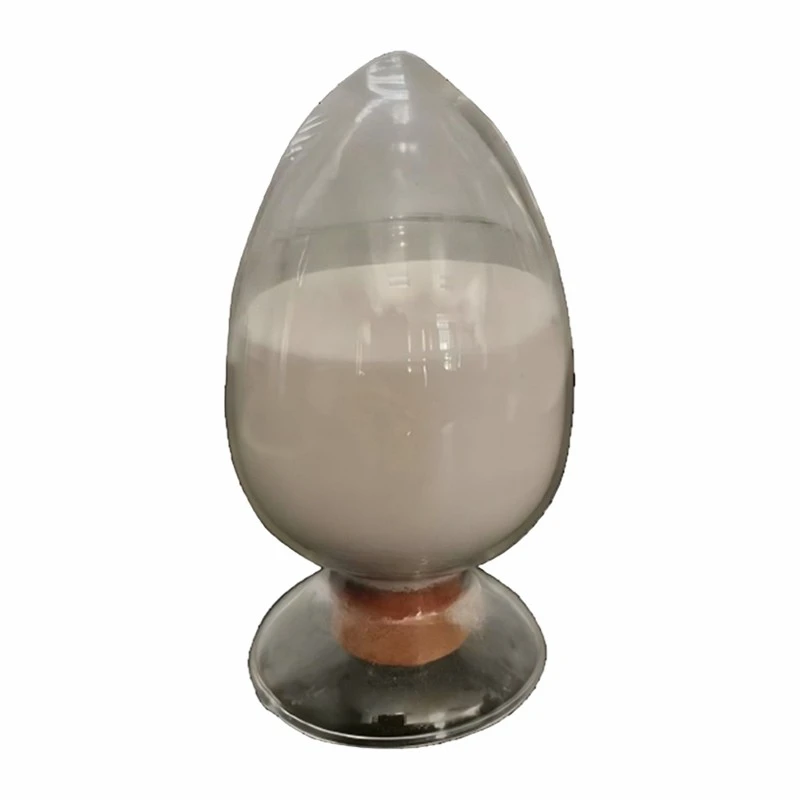
Retarders are often used in combination with other cementing additives to achieve the desired properties of the cement slurry. They need to be compatible with these other additives to ensure that the overall performance of the cement slurry is not affected negatively. For example, when used in conjunction with High Temperature Fluid Loss Additive, retarders should not interfere with the fluid - loss control mechanism of the additive.
Our retarders are formulated to be highly compatible with a wide range of other cementing additives, including dispersants, suspension stabilizers, and anti - channeling agents. This allows for the customization of cement slurries to meet the specific requirements of different projects.
5. Quality Control
Retarders also play a role in quality control during cementing operations. By controlling the setting time of the cement slurry, they help to ensure that the cementing process is carried out consistently and predictably. This is important for maintaining the quality of the cement sheath and the overall success of the well.
In a well - controlled cementing operation, the use of retarders allows for better monitoring and adjustment of the cement slurry properties. If the setting time is too short or too long, it can indicate a problem with the cement formulation or the mixing process. By using retarders, operators can make necessary adjustments to ensure that the cement slurry sets at the desired time.
Our Retarders and Other Cementing Additives
As a cementing additives supplier, we offer a wide range of high - quality retarders that are designed to meet the diverse needs of the oil and gas industry. Our retarders are carefully formulated using advanced technology and high - quality raw materials to ensure their effectiveness and reliability.
In addition to retarders, we also provide other essential cementing additives such as Water - Based Flushing Fluid, which helps to clean the wellbore and improve the bonding between the cement and the casing; High Temperature Suspension Stabilizer, which prevents the settling of solids in the cement slurry at high temperatures; and Polycarboxylic Acid Dispersant, which improves the fluidity and workability of the cement slurry.
Contact Us for Procurement
If you are in need of high - quality cementing additives, including retarders, we are here to help. Our team of experts can provide you with professional advice on the selection and application of the most suitable additives for your specific project. We are committed to providing excellent products and services to ensure the success of your cementing operations. Contact us today to discuss your procurement needs and start a successful partnership.
References
- Nelson, E. B., & Guillot, D. (Eds.). (2006). Well Cementing. Schlumberger.
- API Recommended Practice 10B - 2, Recommended Practice for Testing Well Cements, American Petroleum Institute.
- Sabins, F. L. (1991). Petroleum Production Handbook. McGraw - Hill.