

Underbalanced drilling (UBD) is a technique where the pressure in the wellbore is maintained lower than the formation pressure. This method offers numerous advantages, such as reduced formation damage, increased drilling rates, and better wellbore stability in some cases. However, it also presents unique challenges, particularly in terms of fluid loss control. As a fluid loss additives supplier, we understand the critical role these additives play in underbalanced drilling operations. This blog post will explore the key requirements for fluid loss additives in underbalanced drilling.
Compatibility with Drilling Fluids
One of the primary requirements for fluid loss additives in underbalanced drilling is compatibility with the drilling fluids used. Drilling fluids in underbalanced drilling can vary widely, including gas-based, foam-based, and liquid-based fluids. The fluid loss additive must be able to disperse and function effectively in the chosen drilling fluid system.
For gas-based drilling fluids, such as air or nitrogen, the fluid loss additive needs to be in a form that can be easily entrained in the gas stream. It should not cause clogging in the drilling equipment or interfere with the gas flow. In foam-based drilling fluids, the additive must be compatible with the foaming agents and not disrupt the foam structure. Otherwise, the stability of the foam, which is crucial for carrying cuttings and controlling fluid loss, will be compromised.
In liquid-based drilling fluids, whether they are water-based or oil-based, the fluid loss additive should dissolve or disperse uniformly. It should not react negatively with other components in the fluid, such as viscosifiers, weighting agents, or corrosion inhibitors. Compatibility tests are typically conducted to ensure that the additive performs as expected without causing any adverse effects on the overall properties of the drilling fluid.
Effective at Low Pressures
Underbalanced drilling is characterized by a lower wellbore pressure compared to the formation pressure. Therefore, fluid loss additives used in this process need to be effective at relatively low pressures. Unlike conventional overbalanced drilling, where the high pressure differential can help in the formation of a filter cake, underbalanced conditions do not provide the same driving force for cake formation.
The fluid loss additive must be able to form a thin, impermeable filter cake on the wellbore wall even at low pressure differentials. This filter cake acts as a barrier to prevent the loss of drilling fluid into the formation. Some advanced fluid loss additives are designed with specific polymers or particles that can self - assemble at low pressures to create an efficient filter cake.
Temperature Resistance
Drilling operations can encounter a wide range of temperatures, from relatively low temperatures near the surface to high temperatures at greater depths. Fluid loss additives used in underbalanced drilling must have good temperature resistance properties.
At low temperatures, the additive should not lose its effectiveness or cause the drilling fluid to become too viscous. For example, our Low Temperature Fluid Loss Additive is specifically formulated to maintain its fluid loss control properties in cold environments. It ensures that the drilling fluid remains pumpable and can effectively prevent fluid loss even when the temperature drops.
On the other hand, at high temperatures, the additive should not degrade or break down. High - temperature conditions can cause polymers in the additive to lose their molecular structure, leading to a loss of fluid loss control. Our High Temperature Fluid Loss Additive is engineered to withstand extreme heat and maintain its performance under harsh thermal conditions.
Anti - Gas Migration Properties
In underbalanced drilling, gas migration is a significant concern. Gas can enter the wellbore from the formation due to the pressure differential, and if not properly controlled, it can lead to well control issues and safety hazards. Fluid loss additives with anti - gas migration properties are highly desirable.
These additives can help to seal the wellbore wall and prevent gas from migrating through the filter cake. Our Anti Gas Migration Cement Fluid Loss Additive is designed to form a tight, gas - impermeable filter cake. It contains components that can react with the gas or form a physical barrier to impede gas flow, thus enhancing the safety and efficiency of underbalanced drilling operations.
Environmental Friendliness
In today's drilling industry, environmental considerations are of utmost importance. Fluid loss additives used in underbalanced drilling should be environmentally friendly. They should have low toxicity and biodegradability to minimize the impact on the environment.
Regulatory requirements regarding the use of drilling chemicals are becoming more stringent. Our company is committed to developing and supplying fluid loss additives that meet these environmental standards. By using environmentally friendly additives, drilling operators can avoid potential legal issues and contribute to sustainable drilling practices.
Cost - Effectiveness
Cost is always a significant factor in any drilling operation. Fluid loss additives need to provide effective fluid loss control at a reasonable cost. As a supplier, we understand the importance of cost - effectiveness for our customers.
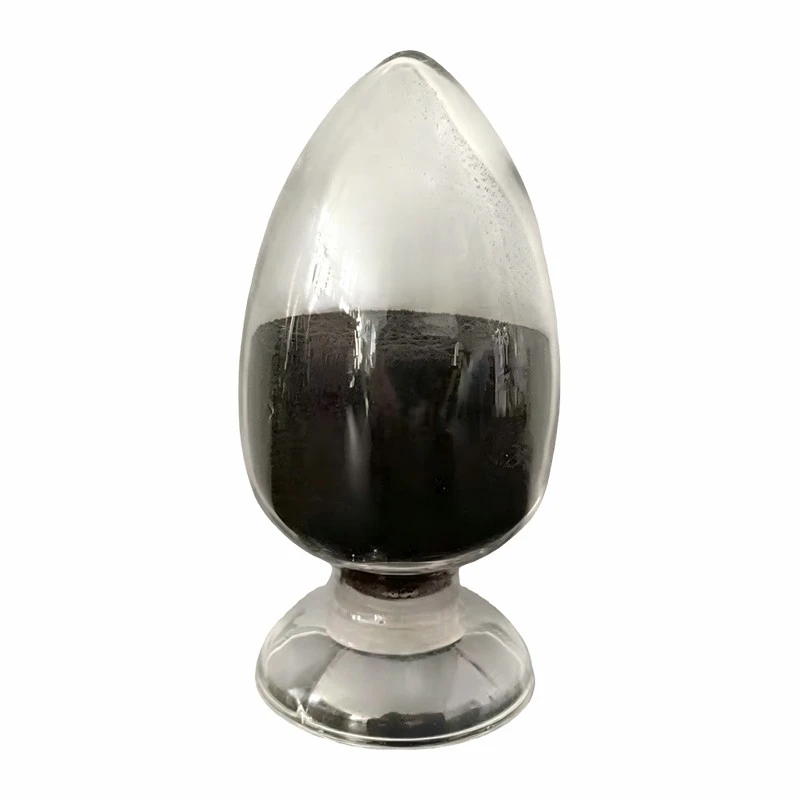
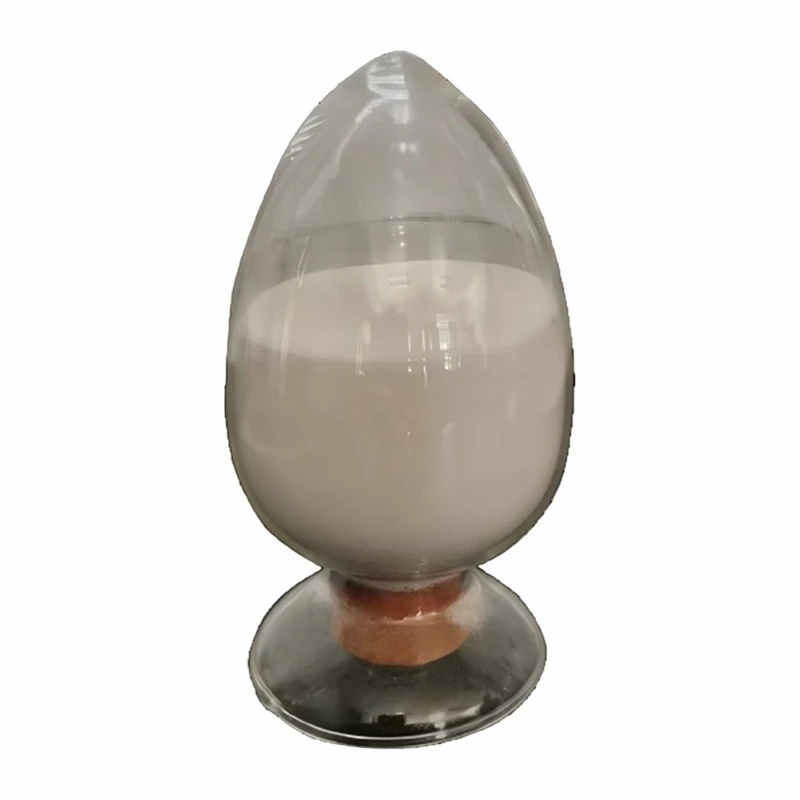
We offer a range of fluid loss additives, including our Composed Fluid Loss Additive, which is designed to provide high - performance fluid loss control at a competitive price. Our additives are formulated to optimize the balance between performance and cost, ensuring that our customers can achieve their drilling objectives without overspending.
Ease of Handling and Storage
Fluid loss additives should be easy to handle and store. They should be available in forms that are convenient for transportation and mixing. Powders, for example, are a common form because they are easy to store and can be easily mixed into the drilling fluid.
The additives should also have a reasonable shelf life, so they can be stored for an extended period without losing their effectiveness. Our products are designed to meet these requirements, with clear instructions on handling and storage provided to ensure optimal performance.
Conclusion
In underbalanced drilling, fluid loss additives play a crucial role in ensuring the success and safety of the operation. The requirements for these additives are diverse, including compatibility with drilling fluids, effectiveness at low pressures, temperature resistance, anti - gas migration properties, environmental friendliness, cost - effectiveness, and ease of handling and storage.
As a fluid loss additives supplier, we are dedicated to developing and providing high - quality additives that meet these requirements. Our product range, including Low Temperature Fluid Loss Additive, High Temperature Fluid Loss Additive, Anti Gas Migration Cement Fluid Loss Additive, and Composed Fluid Loss Additive, is designed to address the specific challenges of underbalanced drilling.
If you are involved in underbalanced drilling operations and are looking for reliable fluid loss additives, we invite you to contact us for a detailed discussion on your requirements. Our team of experts is ready to provide you with customized solutions and support to ensure the success of your drilling projects.
References
- Ahmed, T. (2006). Reservoir Engineering Handbook. Gulf Professional Publishing.
- Bourgoyne, A. T., Chenevert, M. E., Millheim, K. K., & Young, F. S. (1986). Applied Drilling Engineering. Society of Petroleum Engineers.
- Darley, H. C. H., & Gray, G. R. (1988). Composition and Properties of Drilling and Completion Fluids. Gulf Publishing Company.